
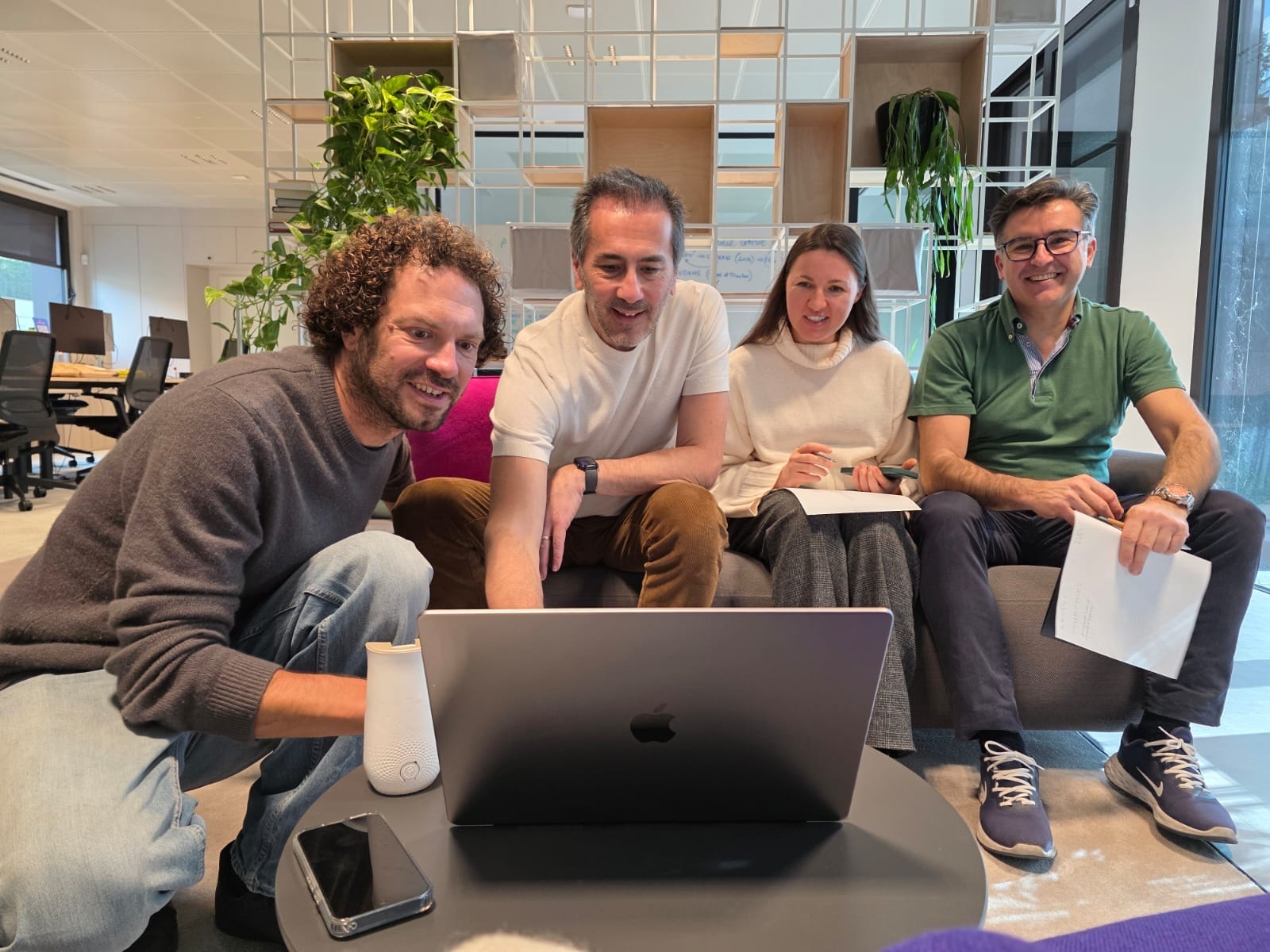
I’ve been deep in the trenches with AI coding tools lately, building ARTEX, a space for living art across experiences and collections. Art that lives, responds, and evolves. Cursor, Codex, Antigravity, GitHub Copilot, Claude Code. Each has its quirks, its strengths, its blind spots. And each is genuinely powerful on its own, plugging into the wider ecosystems of tools you already use across your workflow and with your team.
But here’s what I keep coming back to: tools alone aren’t enough.
As AI builds your software, you still have to be the engineer. You need a sharp mental model of what it’s actually doing under the hood. You need the instinct to redirect it when it drifts. You have to be an active architect, not a passive approver, of the system taking shape. And you have to develop something almost like intuition: forming suspicions, then probing and experimenting to verify them. All without drowning in exhaustive code reviews.
Three things matter more than any tool
Context is king. The quality of what AI produces is almost entirely a function of how well you frame the problem. Garbage in, garbage out. But with AI, it’s subtler than that. Vague in, plausible-sounding garbage out.
Critical thinking is irreplaceable. AI can execute brilliantly. It cannot judge whether it should.
Curiosity is the engine. It’s what pushes you to probe deeper, question the output, experiment when something feels off. Without it, you’re just accepting. With it, you’re actually engineering.
It’s no longer just about writing code
What’s also shifted is the scope of what these tools touch. The same mindset now extends to design, delivery, marketing, finances, business models, the full arc of building a product and running a business. That’s extraordinary. But it also means the bar for everything has risen.
When it’s easier for everyone to build, being different becomes the new hard. Quality, trust, speed, and genuine creativity are the real differentiators now.
And none of what I learned over the years got left behind. The values, the principles, the best practices built up through experience across teams, industries, and cultures. All of it still holds. More than holds, actually. It’s exponentially more relevant now. The fundamentals don’t disappear when the tools get smarter. They become the foundation everything else is built on.
Your team is still the multiplier
And your team? More important than ever. You can move further alone or in a small group than ever before, but the people you think alongside, debate with, and build with remain the multiplier that no tool can replicate.
The work isn’t shrinking, it’s expanding into new dimensions. More complexity, more factors to juggle, more to navigate. But with the right mindset, that’s not a burden. It’s what makes this moment fascinating, fun, and genuinely rewarding.
We should all be a little more artist
And that’s why I believe artists have all the ingredients to thrive in this new renaissance. Not artists as a profession, but as a mindset and a way of moving through the world.
Think about what makes a great artist. They obsess over their craft. They question their own work before anyone else does. They see what others walk past. They feel the difference between something that’s finished and something that’s truly done. They take risks, stay curious, and refuse to copy what already exists. Now read that back and tell me that isn’t exactly the mindset this moment is asking for.
Curiosity, discipline, originality, the courage to be different and the humility to keep learning. No tool teaches you that. No model gives it to you. It’s built through experience, through failure, through the people you meet and the places life takes you. And right now, in this moment where the barriers to building have never been lower, that human depth is the thing that actually sets you apart.
We should all be a little more artist.
Driven, curious, and aware. That’s the discipline. That’s the culture.